Courgette
Cucurbita pepo
Vegetables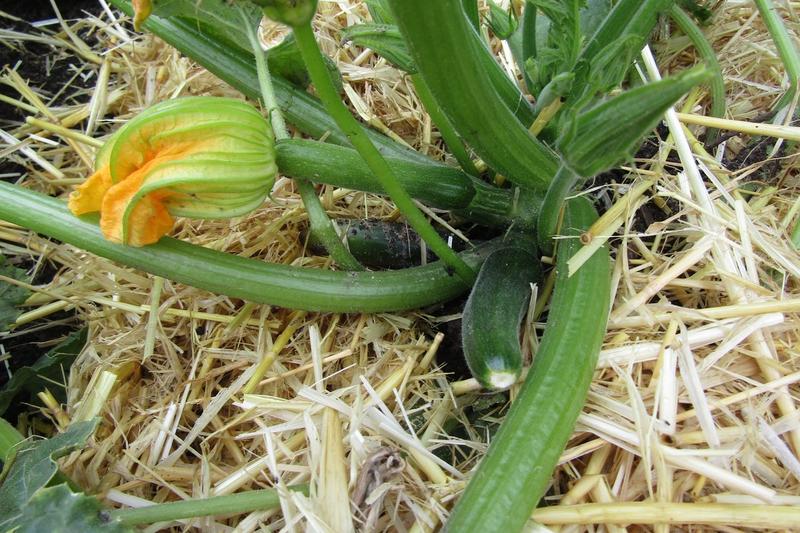
Quick facts
- Watering
- Daily (or every other day) when fruiting
- Sunlight
- Full sun
- Soil
- Rich, fertile, well-drained
- Humans
- Safe
- Cats
- Safe
- Dogs
- Safe
- Height
- 60–90 cm
- Spread
- 90–120 cm
- Spacing
- 90–100 cm apart
About Courgette
Courgettes are one of the most productive and rewarding vegetables for a UK kitchen garden, capable of producing a glut of fruit from just two or three plants from July through September. Picked young at 10–15 cm they are tender and mild; left to grow they become marrows. Plants are large and vigorous: each sprawling bush needs roughly a square metre of space: and they reward regular feeding and watering with a continuous harvest. Yellow varieties such as 'Soleil' and compact patio types such as 'Patio Star' are popular for smaller gardens. The large yellow flowers are also edible, and a summer staple in Italian cuisine.
UK fact: The word 'courgette' is French, from 'courge' (gourd); in American English and in much of the world outside the UK they are known as zucchini. The UK's climate suits courgettes well: the cool nights and moderate summer temperatures slow them slightly compared with the Mediterranean, but also prevent the bitterness that develops when cucurbit plants are heat-stressed.
Watering Courgette
Courgettes have very high water requirements once they begin fruiting. Water at the base, never over the leaves, to reduce the risk of powdery mildew. In dry summer weather, established plants need watering every day or every other day: a thorough soak that reaches the deep roots, rather than a light surface spray. Young plants before fruiting can be watered less frequently (every 2–3 days). Apply a thick mulch of compost or bark chippings around the root zone to reduce evaporation and maintain consistent soil moisture. Water stress during fruit development leads to misshapen courgettes, blossom drop, and blossom end rot.
Sunlight requirements
Courgettes require full sun to crop well: at least six hours of direct sun per day. A warm, sheltered position protects the large leaves from wind damage and accelerates fruit development. In shadier positions, plants produce more foliage and fewer fruits, and are more susceptible to powdery mildew. In cooler parts of the UK, growing against a south-facing wall or under a cloche for the first few weeks after planting significantly improves yields.
Soil and feeding
Courgettes are hungry, thirsty plants that need deeply cultivated, fertile soil. Dig in a generous amount of well-rotted compost or manure before planting: ideally a whole bucketful per planting hole. They prefer a slightly acid to neutral pH of 5.5–6.8. Good drainage is important: while they need consistent moisture, waterlogged roots will cause collar rot. On heavy clay soils, mound the soil slightly to improve drainage. Container growing is possible in very large pots (minimum 40–50 litres) with a rich compost blend.
Before planting, work a balanced slow-release granular fertiliser into the soil. During the early growing period, apply a high-nitrogen liquid fertiliser (such as a seaweed extract or general balanced feed) every two weeks to support rapid leaf and stem growth. Once the first flowers appear: usually in July: switch to a high-potash liquid feed (tomato fertiliser is ideal) applied weekly. This channels the plant's energy from foliage into fruit. Pot-grown plants need feeding more frequently, approximately twice a week at half strength once fruiting begins.
Pruning Courgette
Courgettes do not need pruning in the traditional sense. However, regular harvesting is essential: it functions like deadheading on flowering plants. Leaving courgettes to grow into marrows signals the plant to stop setting new fruit. Pick every 2–3 days during peak season, harvesting courgettes at 10–15 cm for the best flavour and texture. In late summer, remove the oldest and most yellowing leaves at the base of the plant to improve air circulation, which helps reduce powdery mildew. If space is very limited, the main growing shoot of a trailing variety can be pinched out to restrict spread.
Propagating Courgette
Courgettes are grown from seed each year and are surprisingly quick to germinate and grow: do not be tempted to sow too early. Sow in late April to early May indoors, placing one seed on its side at 2.5 cm depth in a 9 cm pot of seed compost. Germinate at 18–20°C; seedlings emerge in 5–7 days. Grow on in a warm, bright position and pot on into a larger container if roots fill the pot before planting-out time. Harden off thoroughly over 10–14 days before planting out after the last frost risk (end of May in the south, early June in the north and Scotland). Courgettes can also be direct-sown outdoors under a cloche from late May.
Common problems
Powdery mildew is almost inevitable on courgettes by late summer, producing a white powdery coating on the leaves. It does not usually kill the plant but weakens it and reduces yield. Improve air circulation by removing lower leaves and avoid overhead watering. Blossom end rot causes the developing fruit to rot at the flower end; it is caused by calcium deficiency linked to irregular watering: improve moisture consistency. Poor fruit set (lots of flowers but no courgettes forming) is usually due to a lack of pollinators or cold weather; try hand-pollinating by transferring pollen from male flowers (on a long, thin stem) to female flowers (which have a tiny embryo fruit at the base) using a small paintbrush. Cucumber mosaic virus causes yellow mosaic mottling on leaves and distorted fruit; there is no cure: remove and dispose of affected plants. Slugs attack young transplants; protect with slug pellets or copper tape.
Spot a problem with your plant? Photograph the affected area using the Loam app and it will suggest the most likely cause and treatment.
Safety
- Humans
-
Safe
Courgettes are a common edible vegetable. The fruits, leaves, and flowers are all safe to eat.
- Cats
- Safe
- Dogs
- Safe
Toxicity information is for general guidance only.
Seasonal care calendar
Monthly care guide for Courgette in the UK, based on average conditions.
| Month | Care tasks |
|---|---|
| January | No action needed. Plan varieties and order seeds: popular varieties sell out early. Check that last year's seeds (if saved) are still viable. |
| February | No sowing yet: courgettes are very fast-growing and plants sown now will outgrow their pots before it is safe to plant outside. Prepare the growing bed with compost. |
| March | Still too early to sow unless you have a heated greenhouse. Dig compost and well-rotted manure into the planting site. Order any remaining seeds or plug plants. |
| April | Sow indoors from late April in 9 cm pots, one seed per pot, on its side at 2.5 cm depth. Germinate at 18–20°C. Do not sow earlier than the last week of April. |
| May | Pot on seedlings if roots are filling the container. Begin hardening off from mid-May. In the south, plant out after the 15th May under cloche protection. Do not plant out in the north until early June. |
| June | Plant out all remaining seedlings once all frost risk has passed. Water in thoroughly. Apply a thick mulch of compost around the root zone. Feed weekly with balanced liquid fertiliser. First flowers may appear towards end of month. |
| July | First courgettes ready to harvest. Pick at 10–15 cm every 2–3 days. Switch to a high-potash feed (tomato fertiliser) weekly. Water daily in dry weather. Hand-pollinate if fruit set is poor. |
| August | Peak harvest month. Pick frequently to prevent marrows forming: check plants every other day. Water generously, up to 10 litres per plant per day in heat. Powdery mildew may appear; remove badly affected lower leaves. |
| September | Continue harvesting until the first frost. Yield and plant vigour decline as days shorten. Allow one or two fruits to ripen fully to save seed for next year if growing an open-pollinated variety. |
| October | Plants die at the first frost. Remove all spent foliage and compost it (or dispose of any mildew-affected material in household waste, not the compost heap). Clear the bed ready for overwintering crops. |
| November | Bed cleared. Apply a mulch of compost or leaf mould to the planting area to improve soil structure over winter. No further action needed until April. |
| December | No action needed. If you saved seed, dry thoroughly and store in labelled paper envelopes in a cool, dry place. Browse seed catalogues for next year's varieties. |
Frequently asked questions
- When should I sow courgettes in the UK?
- Sow courgettes indoors in late April to early May: no earlier. They germinate and grow so quickly that plants sown in March become root-bound and stressed before it is safe to plant outside. Seeds sown in late April will catch up with earlier sowings by July and crop just as well.
- Why are my courgette leaves turning yellow?
- Yellowing courgette leaves can indicate several issues: overwatering or underwatering, nutrient deficiency (especially nitrogen), powdery mildew, or natural ageing of lower leaves. Check soil moisture first: it should be consistently moist but not waterlogged. If older leaves are yellowing while new growth looks healthy, this is normal. However, if yellowing spreads to younger leaves or is accompanied by white powdery patches or brown spots, you may have a disease or pest problem. The Loam app can help diagnose the specific cause by analysing photos of affected leaves and recommend targeted treatment.
- Do courgettes need feeding and what fertiliser should I use?
- Courgettes are heavy feeders and benefit enormously from regular feeding once they start flowering. Mix plenty of well-rotted compost or manure into the planting hole, then begin liquid feeding once the first flowers appear. Use a high-potash tomato feed (such as Tomorite) diluted according to packet instructions, applied once or twice weekly throughout the cropping season. This encourages flower and fruit production rather than excessive leafy growth. Stop feeding in early September as plants naturally wind down.
Got a question about growing Courgette that isn't covered here? Ask the Garden Advisor in the Loam app. It knows your saved plants and local conditions.
Related plants
This page was compiled with AI assistance and reviewed by our team. .